Beat Pet Boredom & Anxiety
The opening: exhaustion isn’t physical
If you’ve ever come home to a chewed-up shoe or spent the evening listening to your dog pace the floors, you know the destructive power of a bored pet.
Most people think the solution is another walk. It isn’t. A dog that’s mentally stimulated can be tired out in 15 minutes. A dog that’s bored will destroy your house no matter how many miles you hike. We researched dozens against real owner reviews of enrichment tools and strategies to find what actually tires a pet out mentally. Here is the edited version of what we chose to use in our own homes—and why.
1. The mental workout (stop feeding from a bowl)
Feeding your pet from a standard bowl is a missed opportunity. They inhale their food in 30 seconds and then look for trouble. We researched various slow feeders and puzzles.
What we chose:
- Stuffable classic: We recommend the KONG Classic Dog Toy because it turns a few spoonfuls of food into a longer mental workout and holds up better than most soft toys.
- Treat-control puzzle: For dogs that need a slower challenge, the PetSafe Busy Buddy Twist'n Treat is the pick because you can adjust the opening as your dog gets better at the game.
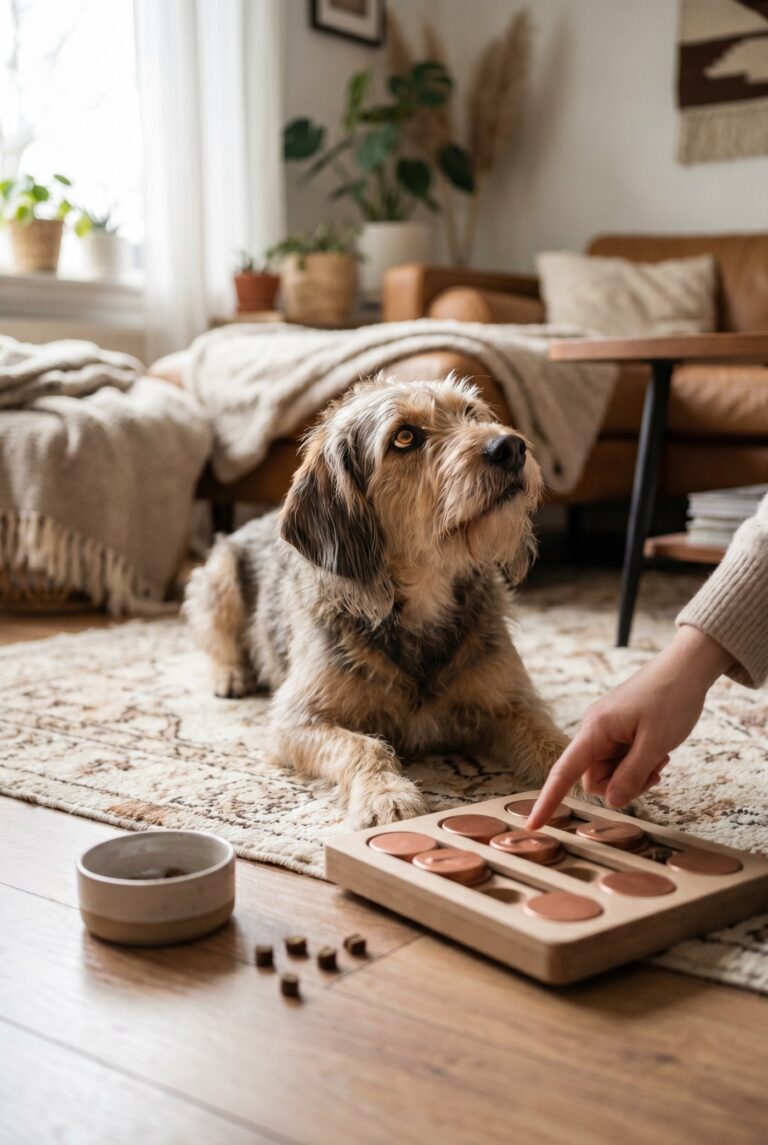
- True puzzle session: Rotate in the Nina Ottosson by Outward Hound Dog Brick Interactive Treat Puzzle when you want a focused 10- to 20-minute problem-solving session instead of another bowl of kibble.
If your dog needs more than kibble to stay interested, natural treats and longer-lasting chews can make enrichment tools work harder without adding another plastic gadget to the house. For that use case, See Raw Paws options for raw food, treats, chews, and supplements that can support supervised boredom-busting routines.
2. The structured approach (for deep boredom)
If you really want to eliminate boredom and build a deeper bond with your dog, you need a structured approach. We researched several at-home training programs.
What we chose: We highly recommend Brain Training for Dogs. Created by a certified professional dog trainer, this program uses fun, force-free games to tap into your dog’s hidden intelligence. Instead of just treating the symptoms of boredom, this program addresses the root cause by giving your dog a “job” to do. It’s perfect for rainy days or when you just don’t have time for a long hike. Check out the Brain Training for Dogs program here.
3. The calming environment (for anxious pacers)
Sometimes boredom is actually anxiety in disguise. A pet that can’t settle needs environmental help.
What we chose:
- For Dogs: A Dog Calming Pheromone Diffuser plugged in near their bed can take the edge off.
- For Cats: The FELIWAY Optimum Diffuser is the gold standard for reducing multi-cat tension and general anxiety.
Pair these aids with a predictable routine and a dedicated safe space. For dogs, a crate with a breathable cover creates a den-like feel. For cats, a high window hammock allows them to observe their territory safely.
4. The interactive play (for high energy)
When you do engage in physical play, make it count. Mindless fetching isn’t enough for some breeds.
What we chose:
- Dogs: A flirt pole is an incredible tool for teaching impulse control while letting your dog sprint. We researched this on high-drive dogs and it tires them out faster than a two-mile run.
- Cats: An interactive wand toy mimics the hunt. Always let them “catch” the prey at the end of the session to prevent frustration.
5. The separation anxiety protocol
If your dog panics when you leave, you need a specialized approach. Alongside gradual desensitization (leaving for just seconds at a time), consider The Dog Calming Code. This digital guide provides step-by-step instructions for helping your dog feel secure and confident when home alone. We’d buy this for any dog that destroys the house when you leave.
To monitor their progress without interrupting them, a treat-dispensing pet camera is invaluable. You can check in from your phone and toss a treat if they are settling nicely.
Quick Pick Summary
If you’re still stuck, here are our top 3 picks:
- For the Everyday Bored Dog: KONG Classic Dog Toy. It turns food into a longer job and gives busy dogs something appropriate to work on.
- For the Dog That Needs a Real Program: Brain Training for Dogs. It addresses boredom at the source by building focus, confidence, and problem-solving.
- For the Anxious Home: FELIWAY Optimum Diffuser. It is the strongest pick for cats that need a calmer environment before they can settle.
Stop Guessing.
Start Choosing.